

The 1956 Revolution in Budapest: the “Pesti srácok” and the days of freedom
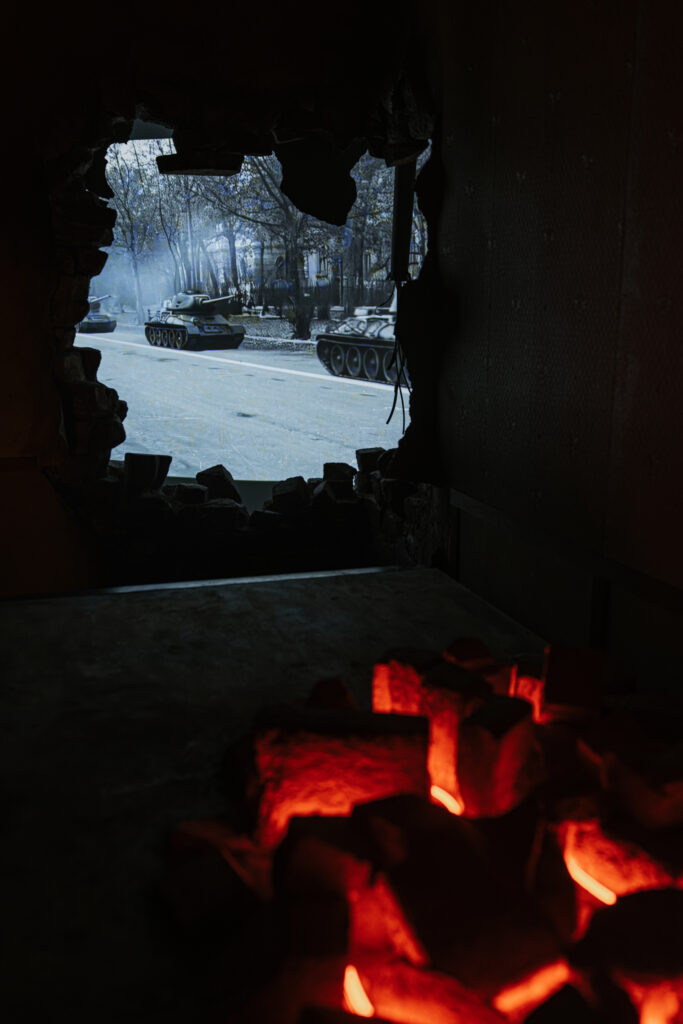
The 1956 Revolution unfolded on the streets of Budapest, born from the courage of young people, widespread social dissatisfaction, and determination to resist Soviet occupation. According to historian Gábor Tabajdi, the immediate antecedents of the revolution included de-Stalinisation, declining living standards, and the growing organisation of young intellectuals in the capital. From Bem Square to the siege of the Hungarian Radio and the battles along the Grand Boulevard, nearly every corner of the city witnessed the eruption of the desire for freedom — and, after the revolution was crushed, the brutal reprisals that followed.
Budapest in the Horthy Era: crises, transformations and survival strategies
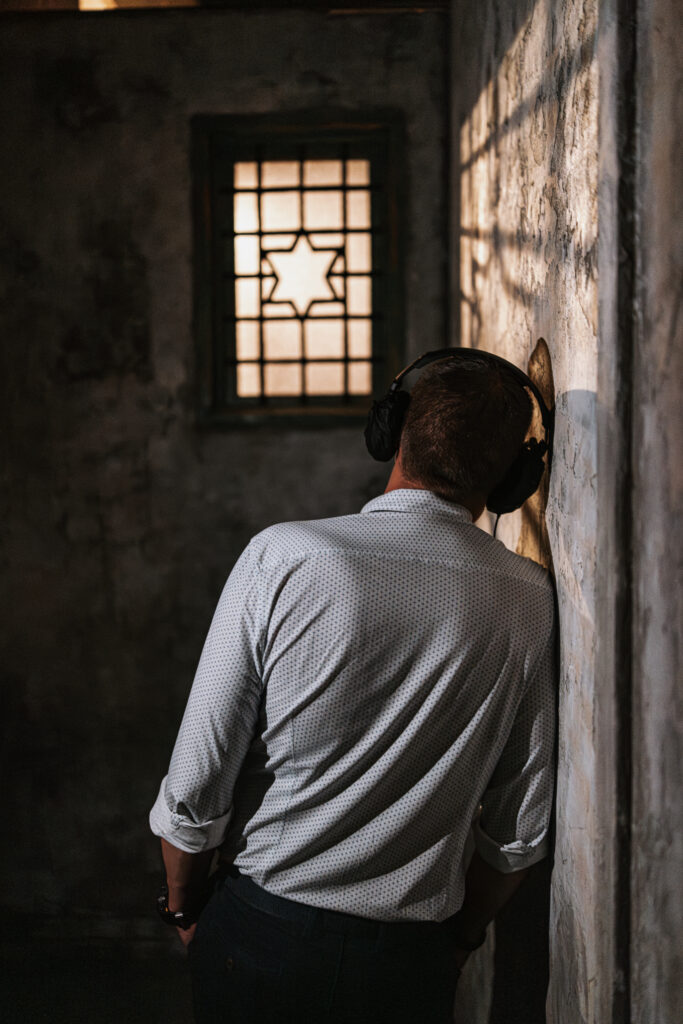
After the fall of the Hungarian Soviet Republic in 1919, the political and social life of Budapest shifted to the right. Antisemitism intensified, the numerus clausus law was introduced, and the city’s economic and infrastructural development progressed through private capital and targeted transport investments. The trauma of the Treaty of Trianon simultaneously elevated Budapest’s central role and pushed it into severe supply difficulties. From the crisis of the 1930s to the Győr armament programme, and onward to the story of the Budapest Ghetto in 1944–45, historian Gábor Dombi’s insights reveal a nuanced portrait of the era.
Revolution and War of Independence of 1848–49: the city of the bloodless revolution
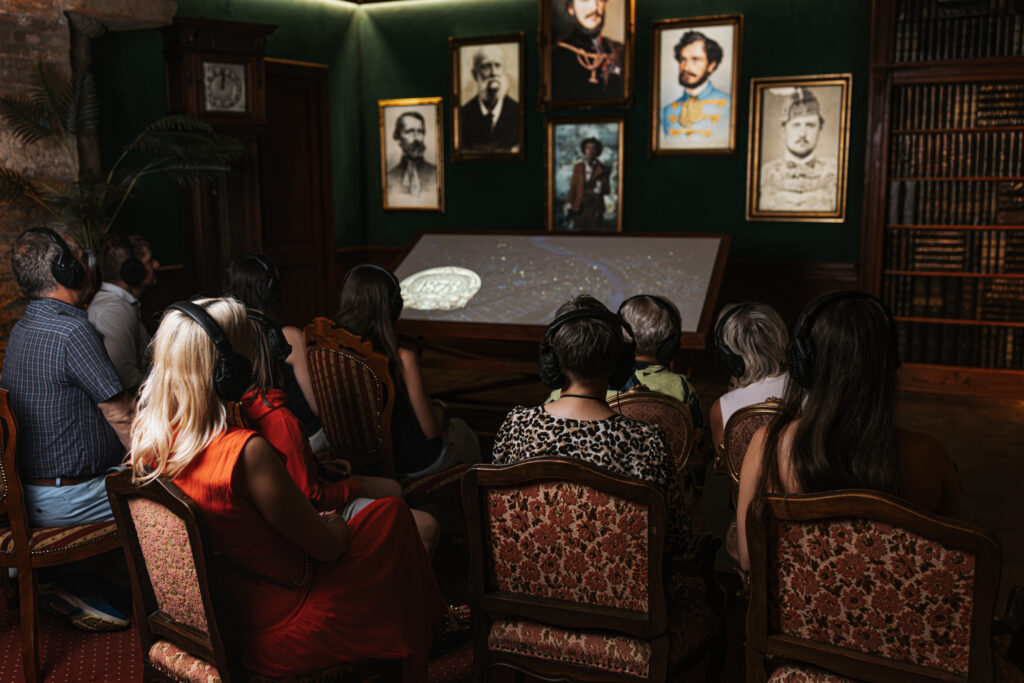
In the spring of 1848, Pest and Buda still existed as separate cities, but Pest had already become the centre of Hungarian public life. On 15 March, the “bloodless revolution” unfolded here, declaring freedom of the press and proclaiming the Twelve Points — events that forever secured the city’s place in Hungarian history. From historian Csaba Domonkos’s interview, we learn why Pest became the heart of the revolution, how citizens reacted, and which locations still preserve the memory of this pivotal era.